AI Task Manager vs. Human-Led Planning: Does Automation Actually Save Time?
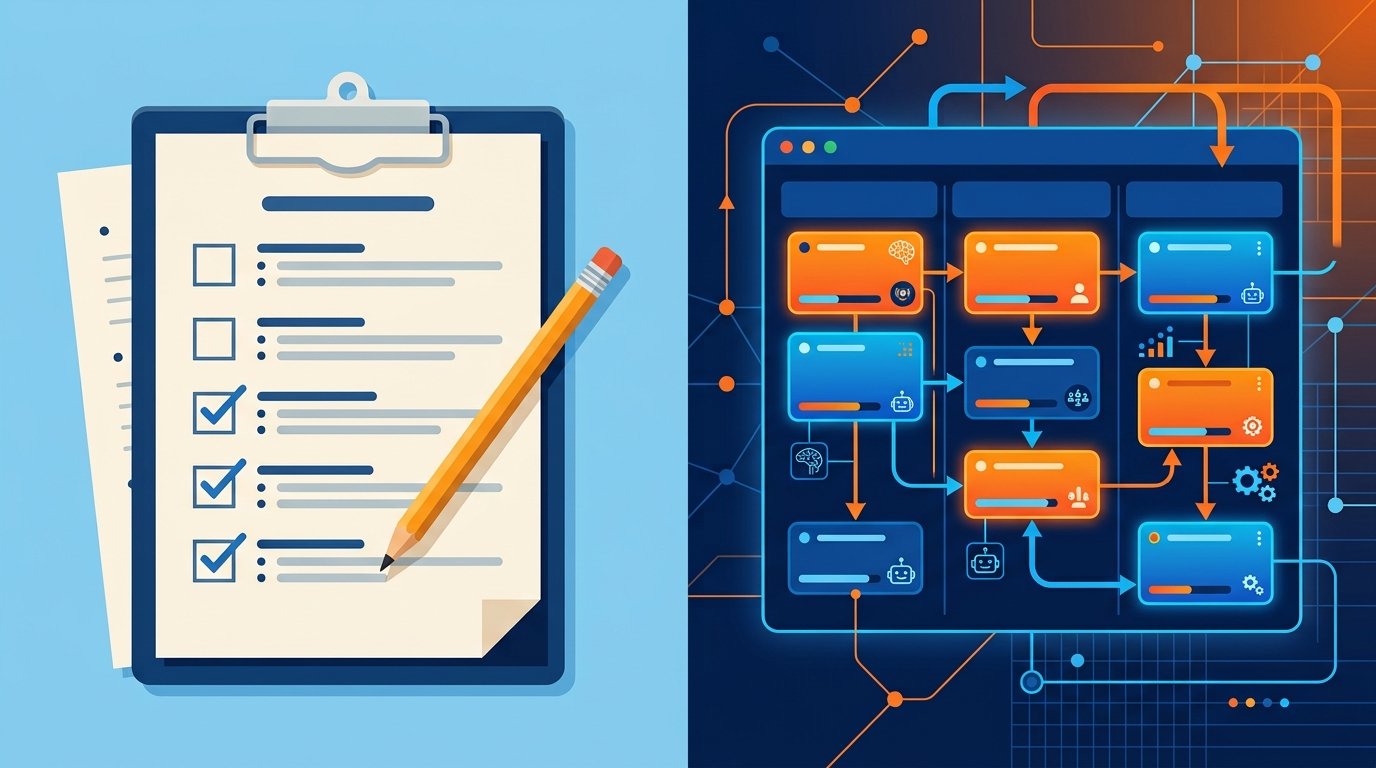
Planning has always been a human skill — weighing priorities, judging urgency, and deciding what matters most each day. But as workloads grow more complex, many people are turning to an AI task manager to handle this process instead. The question worth asking is simple: does letting AI plan your day actually save time, or does human judgment still do it better? This article breaks down both approaches so you can see where automation genuinely helps — and where it doesn’t.
How Human-Led Planning Works
Human-led planning relies on personal judgment to organize tasks. Most people using this method:
- Manually review their to-do list each morning
- Decide priorities based on memory, deadlines, or gut feeling
- Adjust plans throughout the day as new tasks appear
- Rely on experience to estimate how long tasks will take
This approach works well for people with predictable, low-volume workloads. It offers full control and doesn’t depend on software understanding context correctly. However, it also depends entirely on personal energy and focus — decision fatigue sets in quickly when someone has to re-prioritize a growing list multiple times a day.
How an AI Task Manager Handles Planning
An AI task manager takes over much of this decision-making by analyzing task data and making prioritization suggestions automatically. Typical capabilities include:
- Automatically ranking tasks by deadline, importance, or dependencies
- Adjusting priorities in real time as new tasks are added
- Estimating time needed based on task history
- Reducing the number of decisions a person has to make manually
This is why so many productivity comparisons highlight the best AI task manager options as time-saving tools — not because they work harder than a person, but because they remove the mental load of constant re-planning.
Time Comparison: Human Planning vs. AI Automation
| Factor | Human-Led Planning | AI Task Manager |
|---|---|---|
| Daily planning time | 10–20 minutes, repeated throughout the day | Seconds, auto-updated continuously |
| Re-prioritization | Manual, requires mental effort | Automatic, based on real-time data |
| Consistency | Varies with energy/focus levels | Consistent regardless of workload |
| Best for | Simple, low-volume schedules | Busy schedules with shifting priorities |
| Setup required | None | Initial setup and integration |
Where Human Judgment Still Wins
Automation isn’t perfect. AI task managers work from the data they’re given — they can’t always account for nuance, such as an emotionally sensitive task that needs careful timing, or a decision that depends on context outside the app. Human-led planning still outperforms AI when:
- Tasks require subjective judgment rather than deadline-based logic
- Priorities depend on relationships or communication, not just data
- The workload is small enough that manual planning takes very little time anyway
For very simple routines, testing an AI task manager free plan may reveal that automation adds little value — and that’s a completely valid outcome.
Where Automation Clearly Saves Time
The real time savings from AI task managers show up as workload complexity increases — especially when paired with AI workflow automation tools that pull tasks in automatically from emails, forms, or other systems. Instead of a person deciding “what do I need to plan for today,” the system already knows, because tasks are created and prioritized as they come in.
This effect compounds further when meetings are involved. Pairing a task manager with an AI tool for meeting notes means action items are extracted and added to the plan automatically — no manual review of notes required. For anyone managing multiple projects or a busy meeting schedule, this alone can save significant planning time each week.
Final Verdict
For simple, low-volume schedules, human-led planning is often just as effective — and doesn’t require any setup. But for people juggling multiple tasks, shifting deadlines, or frequent meetings, an AI task manager removes the repeated mental effort of re-planning, delivering real, measurable time savings.
The most effective approach for most people isn’t choosing one over the other — it’s using AI to handle repetitive prioritization while reserving human judgment for decisions that truly require it.