AI Task Manager vs. Traditional To-Do Apps: Which One Actually Boosts Productivity?
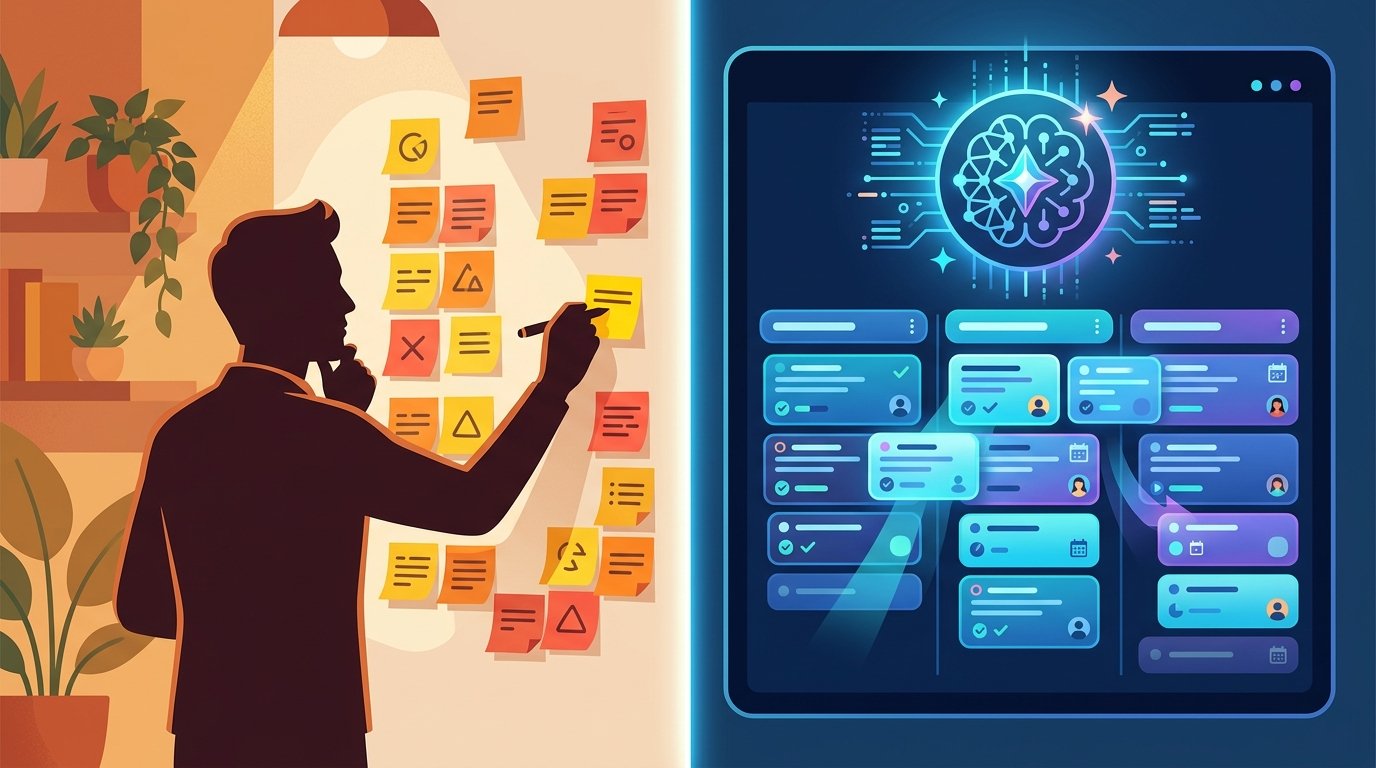
For years, simple to-do lists were enough to keep work organized. But as workloads grow and teams juggle multiple projects, many people are switching to an AI task manager instead of sticking with traditional apps. The question is: does AI actually make you more productive, or is it just a trendier version of the same checklist? This article compares both approaches so you can decide which one truly fits your workflow.
How Traditional To-Do Apps Work
Traditional to-do apps have been the go-to productivity tool for decades. They’re simple, familiar, and require no learning curve. Typically, they offer:
- Manual task entry and due dates
- Basic checklists and folders
- Simple reminders and notifications
- Limited or no prioritization logic
These apps work well for straightforward personal use — grocery lists, daily reminders, or single-project tracking. However, they rely entirely on the user to organize, prioritize, and follow up on tasks. As task volume increases, this manual effort can become overwhelming.
What Makes an AI Task Manager Different
An AI task manager goes beyond simple lists by using automation and intelligence to reduce manual effort. Instead of just storing tasks, it actively helps manage them. Common features include:
- Automatic task prioritization based on deadlines and workload
- Smart suggestions for scheduling and time-blocking
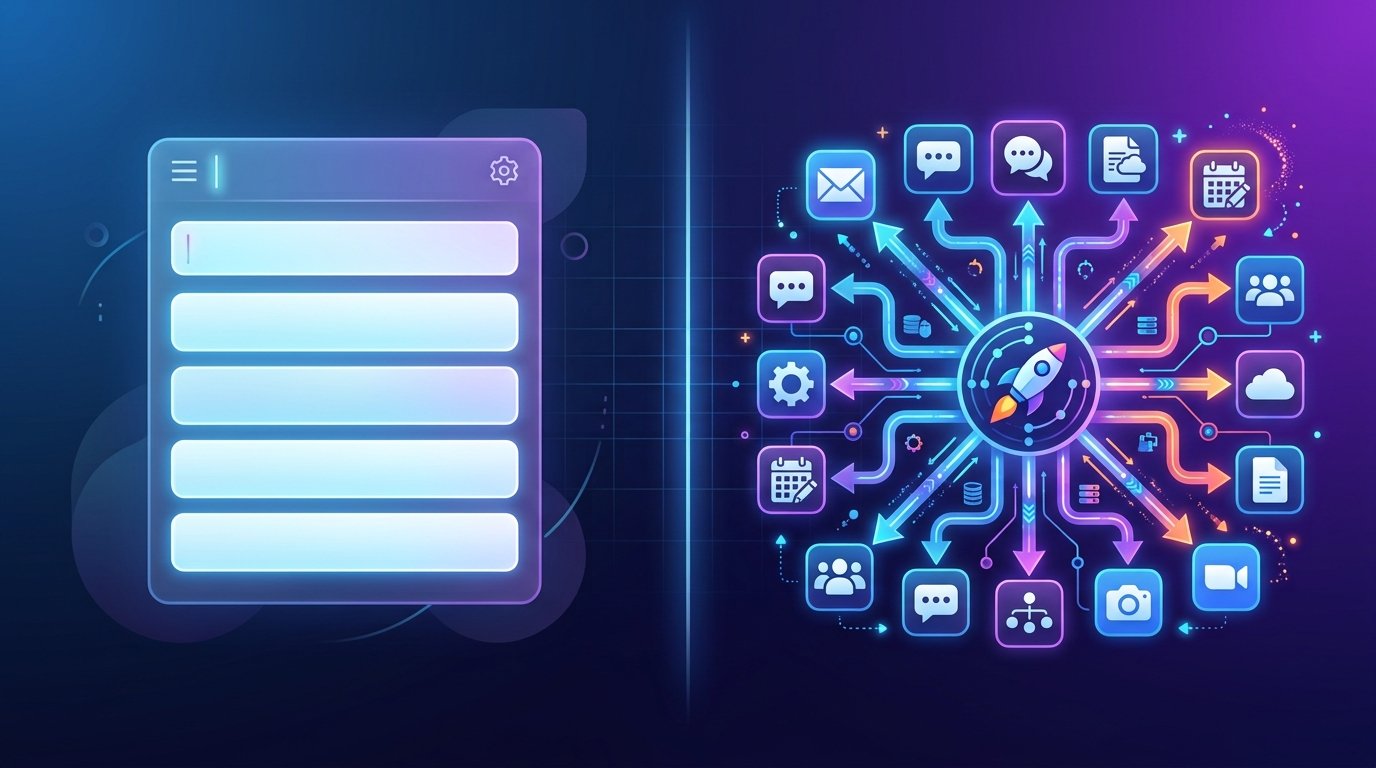
- Natural language input (e.g., typing “remind me to call John Friday” and having it auto-scheduled)
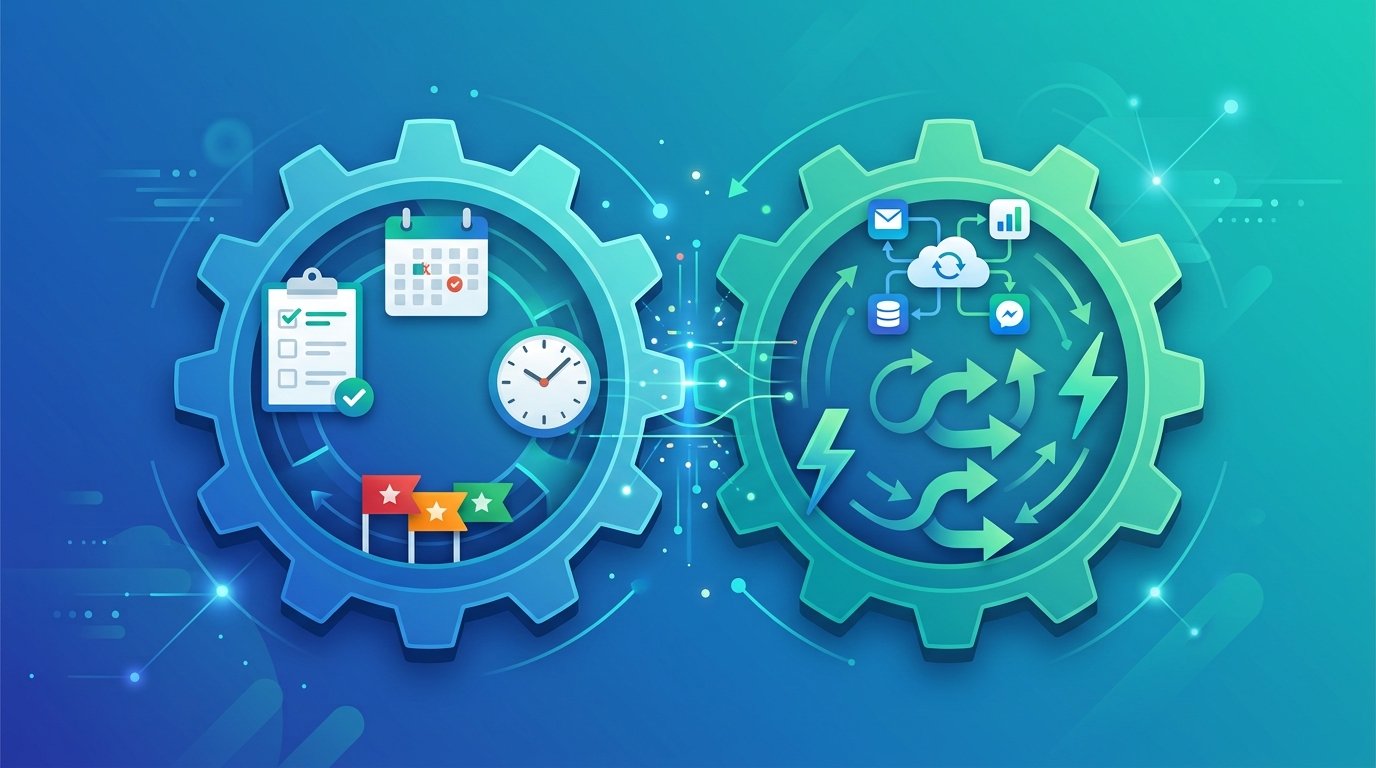
- Integration with AI workflow automation tools to trigger tasks from emails, forms, or other apps
This is why many productivity guides now recommend searching for the best AI task manager rather than settling for a basic checklist app — the added intelligence directly reduces daily decision fatigue.
Productivity Comparison: AI vs. Traditional
| Factor | Traditional To-Do App | AI Task Manager |
|---|---|---|
| Task entry | Manual | Manual or automated (natural language, integrations) |
| Prioritization | User-dependent | AI-suggested based on urgency/workload |
| Automation | None | Can trigger tasks from other apps/workflows |
| Learning curve | Very low | Low to moderate |
| Best for | Simple personal lists | Individuals and teams with multiple ongoing tasks |
| Scalability | Limited | High, especially with automation add-ons |
Where AI Task Managers Fall Short
AI isn’t automatically better for everyone. If your task list is short and simple, a traditional app may be all you need — there’s no reason to overcomplicate a five-item daily list. Some AI task managers also require account setup, permissions for integrations, or a short adjustment period before the automation feels intuitive.
Additionally, not every AI task manager is created equal. Some marketed as “AI-powered” only offer basic automation dressed up with AI branding. It’s worth testing an AI task manager free plan before committing to a paid version, so you can confirm the AI features genuinely save time rather than add complexity.
The Real Productivity Difference
The biggest productivity gain from AI task managers isn’t the interface — it’s the reduction in manual decision-making. Traditional apps require you to decide what to do next, every time. AI task managers analyze deadlines, priorities, and even meeting outputs (when paired with an AI tool for meeting notes) to suggest what should be done next, automatically updating as priorities shift.
This shift — from manually managing tasks to letting software manage the process of managing tasks — is where the real productivity boost comes from, especially for people juggling multiple projects or teams handling shared workloads.
Final Verdict
If your task list is simple and personal, a traditional to-do app is still a perfectly reasonable choice — it’s fast, free, and requires no setup. But if you’re managing multiple projects, working with a team, or dealing with a high volume of incoming tasks, an AI task manager offers a real productivity advantage through smart prioritization and automation.
Start with a free AI task manager to test the difference yourself. If the automation saves you noticeable time within a few weeks, it’s a sign you’re ready to move beyond the traditional checklist for good.